I like to place trail cameras in the mountains during hikes and leave them for a few months to see if they catch any animals. One of them caught in one of the big fires in CA last year.
When I got back to the area the only thing I could find was the metal rod it was on, some wires and a disk of molten plastic material under it. I guess they were luck to find as much as they did :-)
any suggestions on good trail cameras? most of the stuff that I've seen/used has been mass-made Chinese cameras, rebranded, with very little support that tend to break easily.
I'd love to be able to put something higher quality out, but am having trouble finding anything that detects motion, has infrared, and takes short videos, while still being high enough quality to not leak, not shut down randomly, and take pictures of empty space.
I have a Stealth Cam G42, a Moltrie Wingscapes and a Bushnell. All bought for around $100 on sale or used. Image and video quality is just about OK but they seem to work at night and hold up to weather. You can recognize the animal and see what it's doing but that's about it. Definitely far away from what you could achieve with a DSLR or mirrorless camera. But if something goes wrong like stolen camera (or fire!) the loss is not too painful. There also cameras with data connections but that gets pretty expensive quickly too.
The biggest problem is grass or branches in the field of view that move in the wind. I have had the camera fill the card in windy weather in one or two days because a little branch moved all the time. Now I spend a lot of time finding spots where nothing can move.
I bought a Spypoint Force 11D for a relative. I haven't used it myself, but I've been pleased with the shots I've seen from it [1].
It's nice to share the observations you make onto iNaturalist, they can then get used in scientific research. In fact, observations tagged "trail camera" are probably the best source of example images from the various cameras: [2]
I've tried a few, and I've found the ones with the three motion sensors haven't been giving me so many false positives in the wind. They supposedly wake up when something triggers a side sensor, and then snap the picture if it then triggers the middle one.
Motion detection seems to be a real problem in particular. It's interesting to consider how good humans are at distinguishing shadows and leaves moving around on a windy day from a real animal... and how bad cameras are at it.
Leaves and branches are real killers. Or moths. Now I always look for rocky or sandy areas where nothing grows or somewhere where the wind can't reach.
I think you could probably run object recognition algorithms but then you need a lot of power which is a problem by itself.
The law in the USA is vastly from Europe with regards to photography. Generally speaking, “When in public spaces where you are lawfully present you have the right to photograph anything that is in plain view.” (Source: https://www.aclu.org/know-your-rights/photographers-what-do-...).
It seems a pretty common thing to do in the US so I suppose it's legal. The cameras are also way out in the wilderness so I hope nobody will ever see them.
You could, though depending on the measures you take to ensure someone's privacy it would probably be okay (ie, put contact details on the camera so people can tell you they want their stuff deleted, don't record 24/7 and when picking it up again immediately delete all recordings with humans on them)
I think that the intent to film animals matters more than the potential privacy violation as long as you take steps to rectify them once you pick up the camera.
When I opened this, I thought it was going to be about the camera inside the space shuttle Columbia. After the disaster, there were rumours that the footage from the shuttle’s inside camera – which had captured the crew’s horrific final moments – had survived the crash, but of course this footage would never be disclosed to the general public.
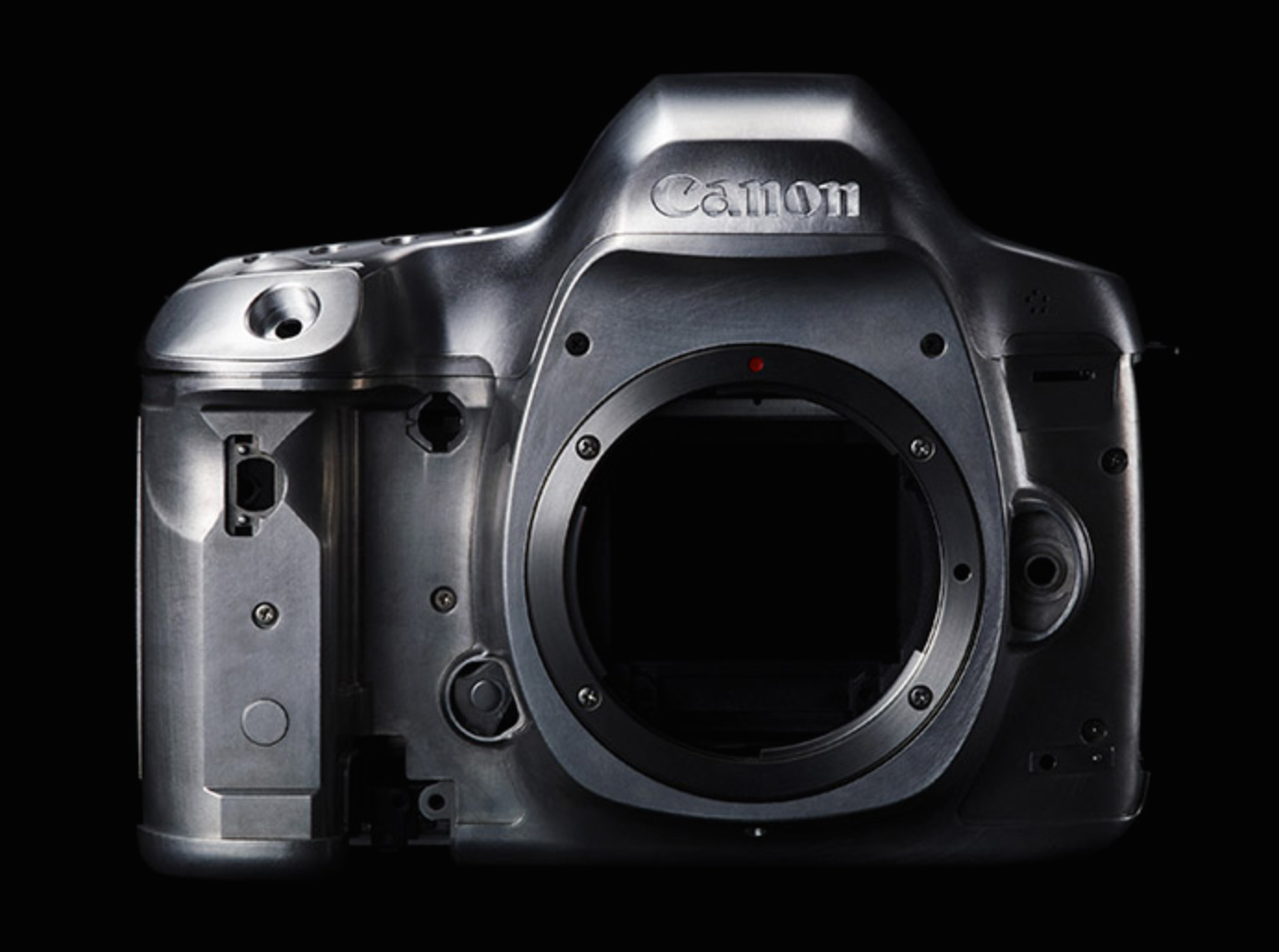
I've seen YouTube videos where people try to destroy Canons. In one, they froze it (with water inside the camera), through it down the stairs, and burned it. And the mirror was still functioning. It wasn't taking great pictures, but it WAS taking something. They're tanks.
In other words, the body acted as a massive heatsink to prevent the internals from getting too hot.
Interesting related fact: GoPros and various other action cameras use their metal body as a passive heatsink, but also rely on thermal mass and limited battery life --- they cannot run 24/7 without overheating.
If you look at the picture of the burnt camera, the lens hood is totalled, and it smeared melted plastic all over the place – you can see it melting shut in the video – but both the lens and the camera body seem more or less intact, and I suspect the innards of the camera are relatively undamaged.
It's also worth noting that what damaged the camera was a relatively low-temperature grass fire, not the blazing hot inferno of rocket fuel. All in all, after the initial shock of "the card survived _what_!?" it's actually not _that_ surprising that they managed to salvage it.
>The "toasty" camera (below right), as Ingalls calls it, is likely headed for display somewhere at NASA Headquarters in Washington, DC.
Cool.
>Meanwhile, Ingalls himself will soon travel to Kazakhstan to photograph the June 3 landing of the International Space Station's Expedition 55 crew. He expects that will be a completely normal assignment.
Something about that last sentence made me laugh. Some sort of “Dry NASA humor” plus “Don’t temp fate!”
What exactly set the gras on fire? Can't believe it's the exhaust since the camera is so far away from the launch pad. Is there burning debris falling from the rocket that can ignite vegetation? Does this also happen during launches on the east coast?


When I got back to the area the only thing I could find was the metal rod it was on, some wires and a disk of molten plastic material under it. I guess they were luck to find as much as they did :-)